
Designing for Performance: The Rise of Acoustic Zoning in Open-Plan Interiors
June 19, 2025
Open-plan interiors have become synonymous with spaciousness, flexibility, and modern home design. Whether in homes or workspaces, the trend of eliminating traditional barriers has created environments that feel more inclusive and visually expansive. However, this architectural freedom often comes at the cost of sound control. Without the insulating walls of traditional layouts, noise travels freely, impacting concentration, privacy, and comfort. Enter acoustic zoning: a solution that’s gaining momentum among architects and homeowners alike. For those looking for an interior designer for house projects, understanding and incorporating acoustic strategies is fast becoming a critical component of good design.
Design Artec, a distinguished architectural and interior design studio, is known for blending innovative spatial solutions with high-performance design features. Their approach to acoustic zoning is not just functional but seamlessly integrated into the aesthetic and spatial language of each project, making them a leading voice in elevating how we think about space and sound in interior design.
What is Acoustic Zoning?
Acoustic zoning refers to the strategic planning and use of materials, partitions, and layout techniques to manage sound within a space. In open-plan environments, the lack of solid walls creates sound continuity that can become disruptive. Acoustic zoning introduces sound-absorbing elements, spatial differentiation, and thoughtful design interventions to maintain comfort and performance across the space.
For homeowners, especially those working remotely or living in multigenerational homes, noise control has become a non-negotiable factor. Engaging an interior designer for house plans who understands how to use acoustic zoning techniques ensures your living environment supports both relaxation and productivity.
Why Acoustic Zoning Matters in Modern Interiors
As lifestyles evolve, homes are no longer just places to relax, they are multifunctional zones where we work, study, socialize, and unwind. The open-plan concept, while aesthetically appealing, must rise to meet these demands.
Modern home design now includes integrated solutions for acoustic privacy without compromising openness. From kitchen sounds interrupting Zoom meetings to kids’ playtime bleeding into reading nooks, real-world noise challenges require smart responses.
Here are a few reasons acoustic zoning is crucial:
- Enhanced Productivity: Dedicated quiet zones support focused work or study.
- Improved Comfort: Acoustic control reduces stress caused by constant noise.
- Design Harmony: Innovative solutions can blend into or even enhance interior design ideas.
Acoustic Zoning Techniques and Materials
To execute effective acoustic zoning, designers use a mix of spatial planning and innovative materials. These techniques go beyond merely placing rugs or curtains and involve a cohesive approach to the entire design.
- Acoustic Panels and Baffles
Fabric-wrapped panels, wood slats, and felt wall installations are common methods to absorb sound. These can be custom-colored or shaped to double as visual design elements, blending utility with style. - Sound-Absorbing Furniture
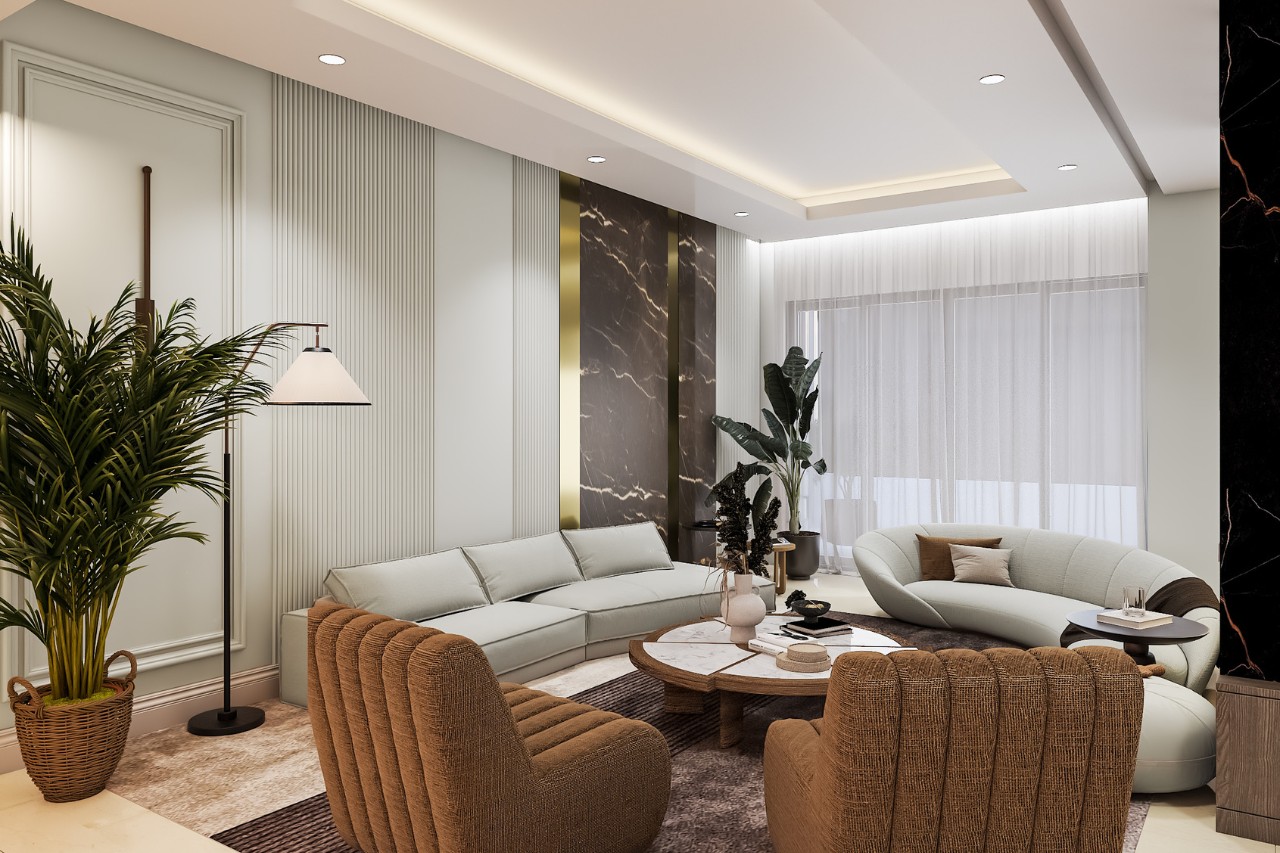
Many modern furniture pieces are designed with acoustic performance in mind—think high-back sofas, modular partitions, and lounge chairs with enveloping designs. These are great interior design ideas that serve both form and function. - Zoning Through Layout
Smart furniture placement and layout planning create natural boundaries between zones. For example, placing a bookshelf or a plant wall between a study nook and a kitchen can visually divide the space while slightly dampening sound. - Rugs and Textiles
Layering rugs, using heavy drapes, and incorporating soft upholstery are simple ways to enhance sound absorption. These details also allow an interior designer for house projects to personalize the space with textures and colors.
Acoustic Zoning in Residential Spaces
In modern home design, acoustic zoning is no longer limited to commercial interiors. It’s particularly relevant in urban homes and apartments, where space is limited and multifunctionality is key.
- Living Room + Work Area: Using a foldable screen with acoustic properties or placing a soft seating area near a noise source helps separate work and relaxation time.
- Kitchen + Dining: Overhead acoustic panels or wooden ceiling baffles can reduce the echo of clinking dishes, making mealtime conversations more comfortable.
- Kids’ Play Area + Study Zone: Dividing these spaces with noise-dampening furniture ensures both activities can happen simultaneously without interference.
By incorporating these strategies, an interior designer for house layouts can ensure every space is optimized for both use and atmosphere.
Design Meets Performance
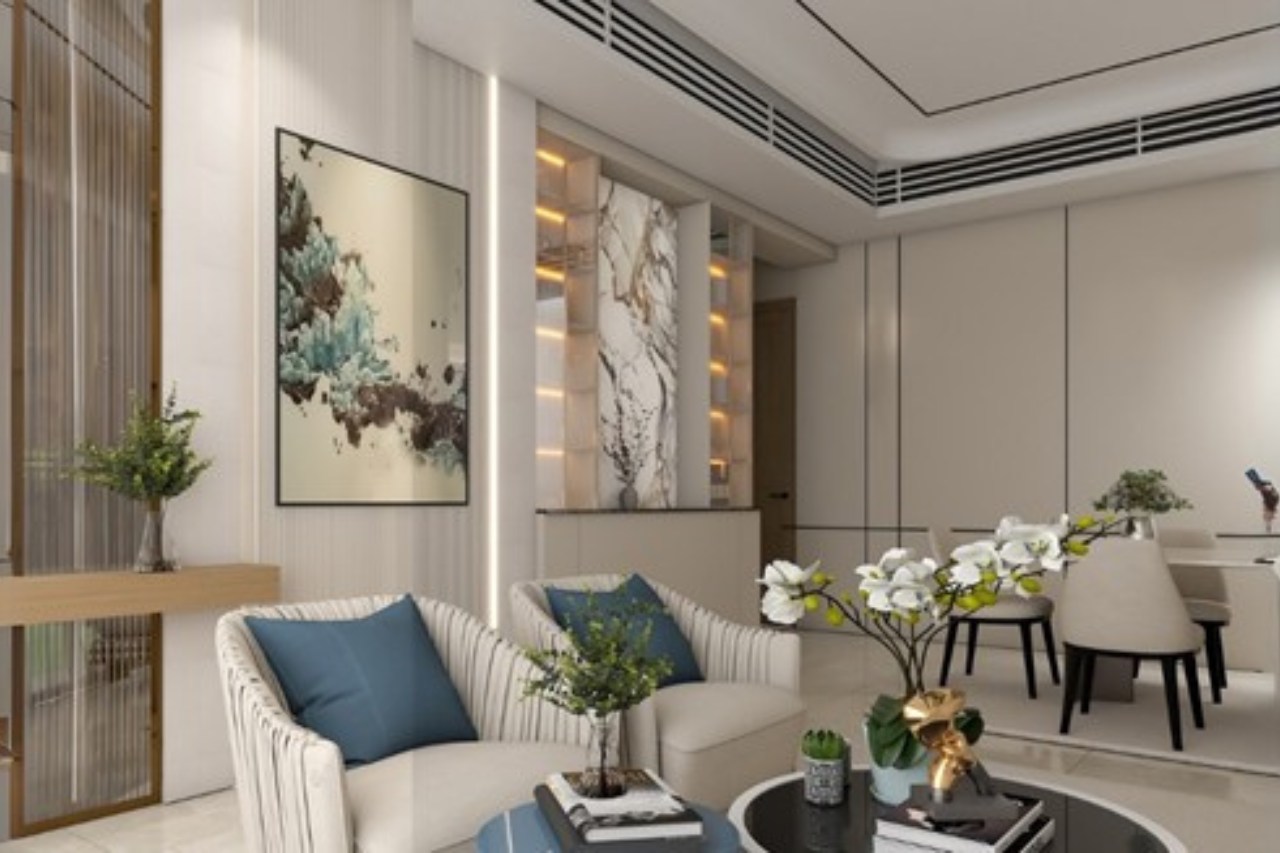
The beauty of acoustic zoning is that it doesn’t require compromising on aesthetics. Instead, it offers creative opportunities to add layers, textures, and design statements. A decorative slatted wall can serve as a room divider and a sound buffer. Sculptural ceiling elements can absorb echo while adding a focal point.
Interior design ideas rooted in performance are becoming the new standard. Clients now demand not just beauty, but also livability, spaces that perform as well as they look. Acoustic zoning answers that call.
The Future is Sound-Aware
As open-plan living continues to dominate, the future of modern home design will undoubtedly be more sound-conscious. Interior designers will increasingly turn to acoustic solutions not as afterthoughts but as integral design components. From material selection to furniture planning, sound will become a defining feature of interior spaces.
For homeowners, partnering with an interior designer for house projects who understands acoustic zoning is key to crafting a home that works for your real-life needs—whether that’s a peaceful reading corner, a productive work-from-home zone, or a cozy, chatter-filled kitchen.
At the Intersection of Design and Wellbeing
Design Artec exemplifies this balance between aesthetics and performance. Their design philosophy incorporates acoustic awareness as a standard—not a luxury. Whether working on a compact city apartment or a sprawling home, their focus on spatial efficiency and sensory comfort ensures each space resonates (quietly) with thoughtful intent.
In an era where our homes must serve multiple purposes, designing for acoustic performance is not just a trend—it’s a necessity. And it starts with the right vision, the right materials, and the right interior designer for house.